Poland as a strategic hub for logistics and transport in Europe
When entrepreneurs consider where to establish their European operations, one factor often outweighs the rest: logistics. Efficient access to markets, suppliers, and customers is the backbone of modern business. Poland, positioned at the heart of Europe, offers one of the most comprehensive and competitive transport infrastructures on the continent. For companies seeking to expand or optimize their supply chains, setting up in Poland is not just a convenient option – it is a strategic advantage.
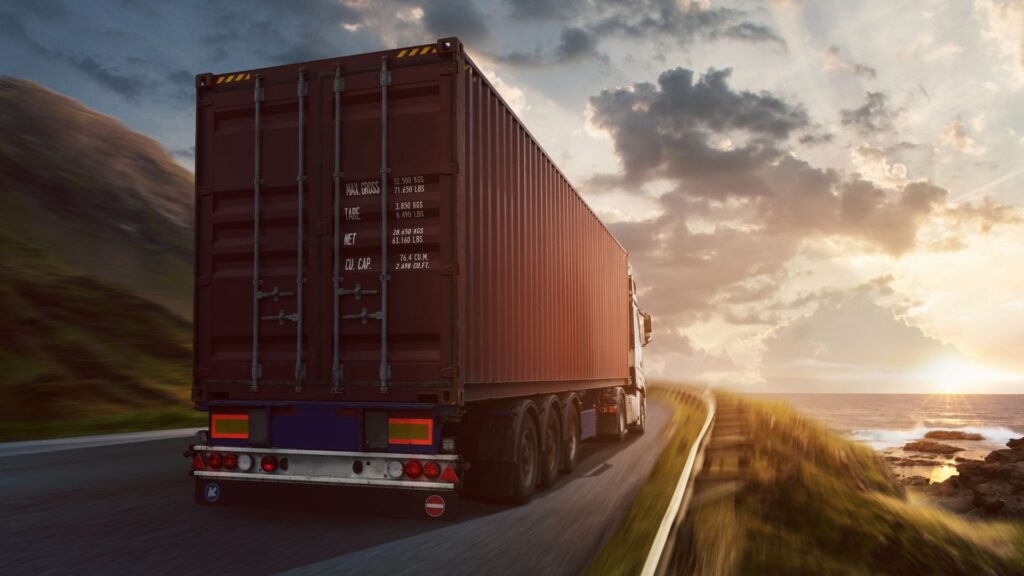
Poland’s geography speaks for itself. Located between Western Europe, the Nordic countries, and Eastern markets, it serves as a natural bridge between the EU and its neighbors. From Poland, goods can reach Berlin, Prague, or Vienna within hours, while the Baltic Sea provides maritime access to Scandinavia and beyond. This centrality makes Poland an obvious choice for distribution hubs, regional headquarters, and cross-border trade.
Road infrastructure is fast and expanding
Over the last two decades, Poland has built thousands of kilometers of modern highways and expressways. Today, the country’s road network directly connects major business centers with Germany, the Czech Republic, Slovakia, and Lithuania. For logistics companies, this translates into reduced travel times, reliable transport corridors, and easy access to both EU and non-EU markets.
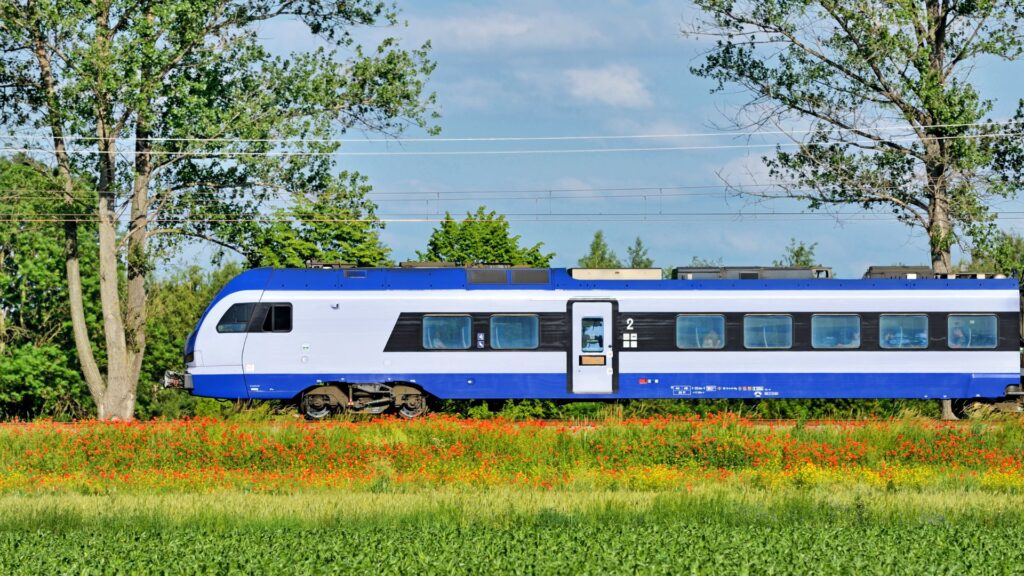
Rail transport linking Europe and Asia
Poland operates one of Europe’s largest rail freight systems. Beyond connecting Western and Central Europe, it has become a vital node in the New Silk Road, the transcontinental rail route linking China with the EU. Rail transport through Poland allows businesses to balance cost and speed – offering faster delivery than sea freight and lower costs than air cargo. The modernization of tracks and terminals further strengthens Poland’s role in international rail logistics.
Air connections that open world markets
Air transport in Poland is not just about moving people from one place to another – it is about keeping business connected. Warsaw serves as the country’s main hub, linking Poland directly with North America, the Middle East, and Asia. But equally important are the regional airports in Kraków, Gdańsk, Wrocław, and Katowice, which create a dense web of European routes.
For companies, this means flexibility: executives can reach clients in London or Berlin in under two hours, while goods can be shipped to partners worldwide without relying on hubs outside Poland. Regular cargo flights support industries that depend on just-in-time deliveries, making Poland a location where global business can operate at full speed.
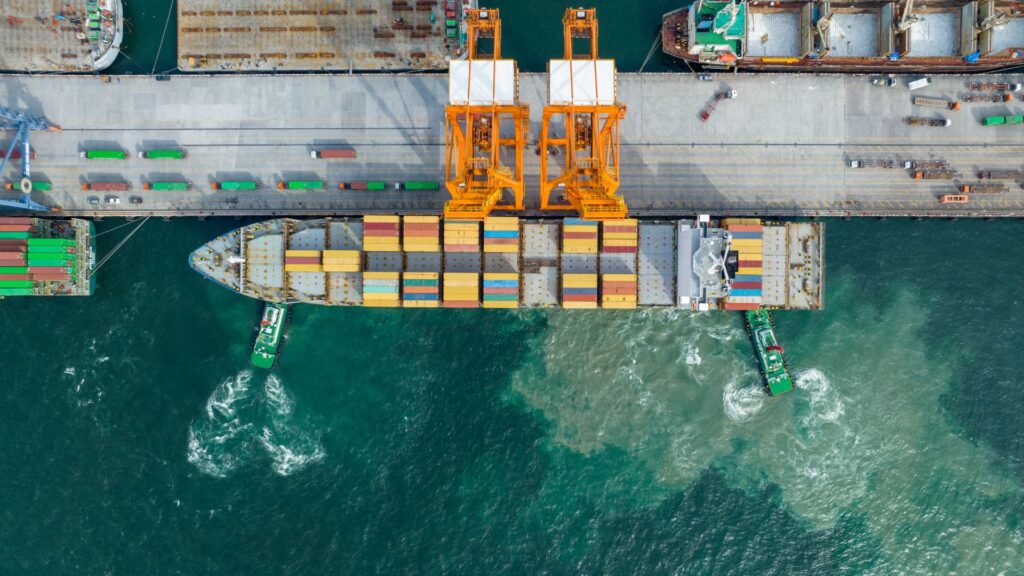
Growing ports on the Baltic
Poland’s seaports are among the fastest-growing in Europe. The Port of Gdańsk is now the largest on the Baltic Sea and one of the few in the region capable of handling the world’s largest container ships. Alongside Gdynia and Szczecin-Świnoujście, Poland offers deepwater access to global shipping routes. These ports are increasingly integrated with inland logistics networks, providing efficient onward distribution by road and rail.
Warehousing and logistics hubs
Complementing this transport infrastructure is Poland’s booming warehouse and logistics sector. Modern distribution centers are strategically located near major highways, airports, and urban areas. International players such as Amazon, DHL, and UPS already operate large-scale facilities in Poland, underlining the country’s position as a European logistics hotspot. Competitive rental rates and a skilled workforce make the sector attractive for companies of all sizes.
Why this matters for business
For companies, location is more than a point on the map – it determines supply chain efficiency, delivery times, and operating costs. By setting up in Poland, businesses gain:
• sorter routes to both Western and Eastern European markets,
• multiple transport modes to optimize speed and cost,
• access to global shipping routes through Baltic ports,
• competitive warehousing and distribution facilities,
• reliability backed by EU infrastructure funding and private investment.